I’ve been making these traditional boiled dumplings with fruit for years, and they never fail to transport me back to my grandmother’s kitchen. There’s something almost magical about the way simple ingredients—flour, suet, grated apples, and warm spices—transform into dense, flavorful spheres after a long simmer. If you’re curious about old-fashioned desserts that actually deliver on taste and nostalgia, you’ll want to know what makes these dumplings so special.
Why You`ll Love these Traditional Boiled Dumplings with Fruit
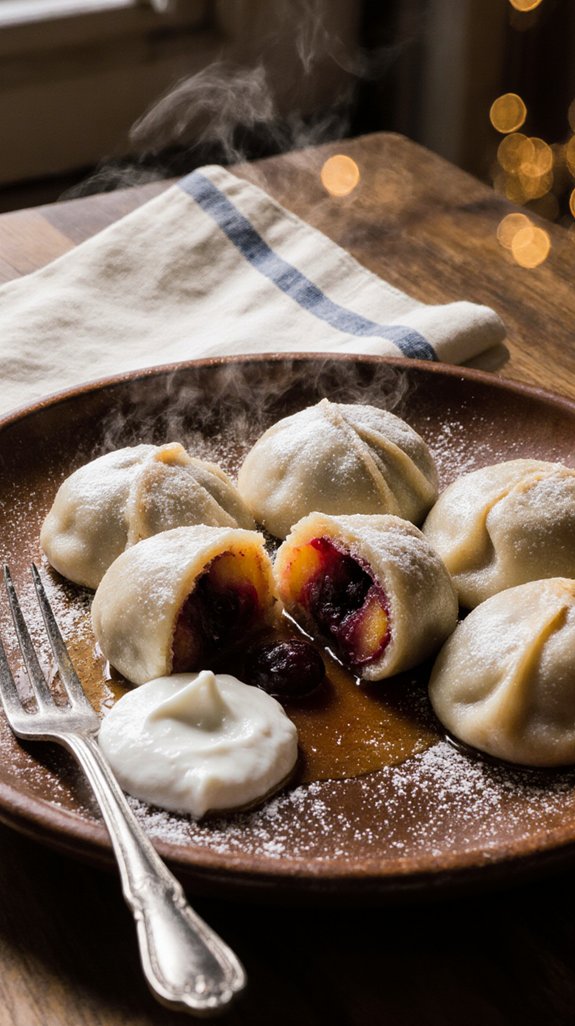
This dumpling recipe brings together everything I love about old-fashioned comfort food—it’s hearty, naturally spiced, and fills your kitchen with the most incredible cinnamon-apple aroma while it cooks.
What makes this traditional dessert truly special is how it transforms simple pantry ingredients into something memorable. I’m talking about grated apples, carrots, raisins, and warm spices all bundled together and boiled for two hours.
It’s a technique you don’t see much anymore, but it creates this unique, dense texture that’s utterly satisfying. This recipe shines at family gatherings because it serves a crowd and sparks conversations about heritage cooking.
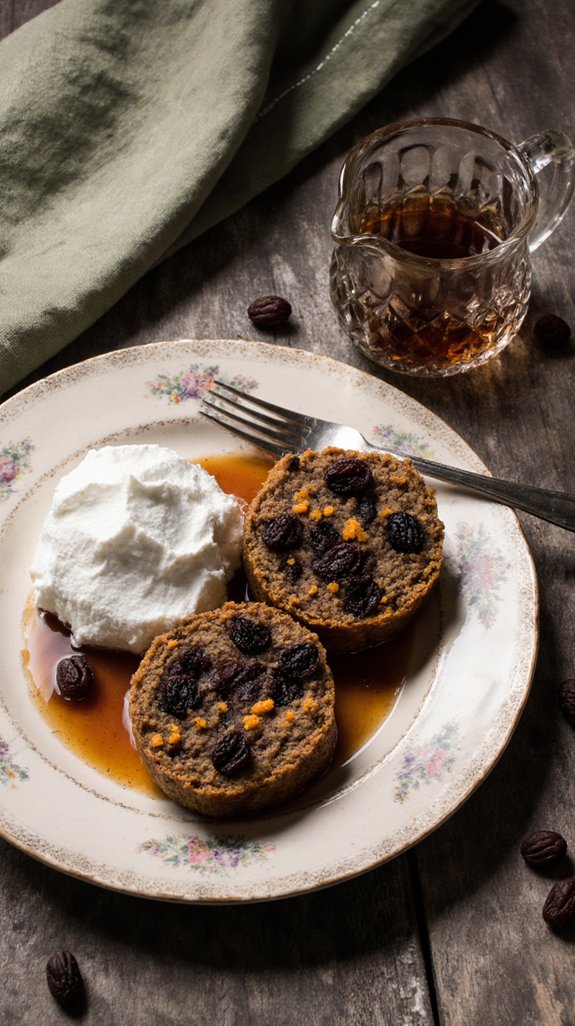
Plus, you’ll love how versatile it is—serve slices with whipped cream, canned cream, or brown sugar sauce depending on your mood.
What ingredients are in Traditional Boiled Dumplings with Fruit?
The beauty of this traditional boiled dumpling lies in its straightforward ingredient list that likely includes items you already have in your pantry.
This recipe calls for basic baking staples combined with dried fruits and fresh produce to create a dessert that’s both rustic and refined. The combination of warming spices, sweet fruits, and a tender crumb makes this dumpling a true comfort food classic.
Ingredients:
- 2 cups all-purpose flour
- 1 cup chopped suet or 1/2 cup shortening
- 1/2 cup granulated sugar
- 1 cup raisins
- 1 cup currants
- 1 teaspoon baking soda
- 2 teaspoons ground cinnamon
- 1/2 teaspoon salt
- 1 apple, with skin, grated
- 1 carrot, with skin, grated
- Water as needed (approximately 1/2 cup, more or less)
When it comes to ingredient choices, you have some flexibility. While the traditional version calls for suet, most modern cooks prefer using shortening for convenience and availability.
The grated apple and carrot add moisture and natural sweetness while keeping the dumpling tender during its long boil. Make sure your raisins and currants are relatively fresh and plump for the best texture.
You’ll also need a large cloth for wrapping—an old pillowcase works perfectly—and kitchen string to secure the bundle tightly before boiling.
How to make these Traditional Boiled Dumplings with Fruit

Making traditional boiled dumplings is a unique cooking experience that combines both boiling and baking methods. Start by bringing a large pot of water to a boil, and here’s an important tip: place a plate at the bottom of the pot to prevent the dumpling from burning during its long cooking time.
While the water heats up, mix together your dry ingredients in a large bowl—combine 2 cups flour, 1/2 teaspoon salt, 1 teaspoon baking soda, 1/2 cup sugar, and 2 teaspoons cinnamon. Work in 1/2 cup shortening (or 1 cup chopped suet if you’re going traditional) until the mixture forms coarse crumbs. Stir in 1 cup raisins, 1 cup currants, 1 grated apple with skin, and 1 grated carrot with skin, blending everything together well.
Add water bit by bit, about 1/2 cup total, until a sticky dough forms—you want it cohesive but not too wet.
Now comes the traditional part that makes this recipe special. Take a large cloth, like an old pillowcase, and dip the center into your pot of boiling water, then wring out the excess moisture. Lightly flour this dampened surface, dump your sticky dough onto it, and gather the sides of the cloth around the dumpling, leaving a bit of room for expansion during cooking. Tie the bundle together tightly with kitchen string, making sure it’s secure so no water seeps in during the long boil.
Lower your wrapped dumpling into the boiling water and let it cook for a minimum of 2 hours, checking occasionally to see if you need to top off the water level with more boiling water. After the boiling time is complete, carefully remove the dumpling—it will seem very wet and mightn’t look fully cooked, but don’t worry, that’s normal.
Transfer the boiled dumpling to a small roasting pan and pop it into a 350°F oven just until it browns slightly and dries out a bit on the outside. This baking step won’t take long, so keep an eye on it.
Once the dumpling has cooled enough to handle, slice it into thick pieces and serve with your choice of whipped cream, canned cream, or a warm brown sugar sauce for a truly comforting dessert that honors generations of home cooking. If you often prepare large quantities of ingredients like the fruits and vegetables in this recipe, investing in a commercial meat slicer can help you achieve consistent, uniform cuts for more even cooking results.
Shop Related Products

Cook Up to 18 Eggs at Once: Each rack holds 9 eggs. Use one tier for smaller batches or stack both tiers to prepare up to 18 hard-boiled eggs in one cooking cycle—ideal for weekly meal prep, salads, deviled eggs, holidays and BBQs.

Egg Rack With Heat Resistant Handles - Steamer rack with long heat resistant handles for easy removal without burning yourself, long legs keeping food off the bottom of your pot.

1.Heat Resistant Handle:The steamer rack trivet with handles is updated one with heat resistant silicone that makes it easier and safer to take out food without burning yourself. foldable for easy storage
Traditional Boiled Dumplings with Fruit Substitutions and Variations
While this traditional recipe is wonderful as written, you can easily adapt it to suit your taste preferences or what you happen to have in your pantry.
For fruit alternatives, I’ve successfully swapped the raisins and currants for dried cranberries, chopped dried apricots, or even chocolate chips for a sweeter twist. The grated apple can be replaced with pear, and you might try using parsnip instead of carrot for a different flavor profile.
When exploring dumpling variations, consider adding chopped nuts like walnuts or pecans for extra texture. You can also experiment with spices—try adding nutmeg, ginger, or allspice alongside the cinnamon.
Some cooks reduce the sugar if they prefer a less sweet dumpling, which works beautifully when serving with a rich brown sugar sauce.
What to serve with Traditional Boiled Dumplings with Fruit

Since this rich, fruit-studded dumpling is already quite sweet and substantial, you’ll want accompaniments that complement rather than compete with its flavors.
My favorite serving suggestions include a generous dollop of fresh whipped cream, which adds lightness to each dense, flavorful slice. Canned cream works perfectly if you’re short on time.
For something more decadent, I recommend a warm brown sugar sauce—it’s traditional and brings out the spices beautifully.
When considering sauce pairings, think about contrast: the dumpling’s warm cinnamon notes pair wonderfully with vanilla ice cream, especially on special occasions. A simple custard sauce also works well, adding creamy richness without overwhelming the fruit.
Whatever you choose, serve your dumpling warm for the best experience.
Shop Related Products

FRESH WHIPPED CREAM IN SECONDS — Create smooth whipped cream, cold foam, coffee toppings, desserts and café-style drinks at home. The 500ml/1-pint cream whipper gives you plenty of capacity for everyday recipes, parties and entertaining.

【Whipped Cream Canister Set】You will get a whipped cream dispenser, 3 stainless steel decorating tips, a metal charger holder,a small cleaning brush, and a storage bag.Chargers NOT included. Compatible with all brands of 8-gram cream chargers.
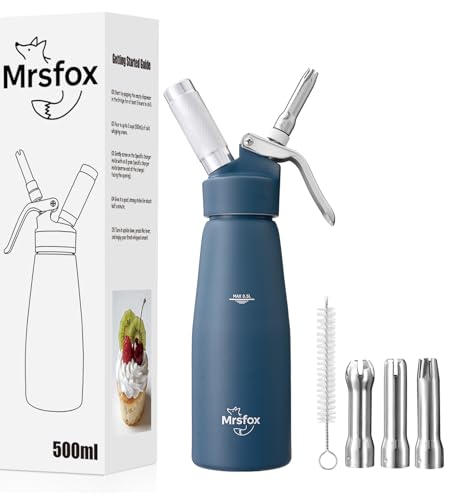
【Whipped Cream Maker Set】You will get a whipped cream dispenser, 3 stainless steel decorating tips, a metal charger holder,a small cleaning brush, and a storage bag.N₂_O chargers NOT included. Compatible with all brands of 8-gram N₂_O cream chargers.
Final Thoughts
This traditional boiled dumpling represents more than just a dessert—it’s a connection to culinary heritage that deserves a place in your kitchen. I’ve found that making this recipe connects me to dumpling history in a tangible way, transforming my understanding of how our ancestors cooked. The two-hour boiling process might seem unusual by today’s standards, but it’s these cooking traditions that make the dish special. When you slice into that first piece and top it with whipped cream, you’re experiencing what generations before you enjoyed. I encourage you to try this recipe, share it with family, and keep these time-honored techniques alive. It’s a delicious piece of history worth preserving and passing down.
Frequently Asked Questions
Can I Reuse the Cloth After Making the Dumpling?
I’d definitely reuse the cloth after proper care. For good dumpling hygiene, I’ll wash it thoroughly in hot, soapy water after each use. With proper cloth care, including complete drying, it’ll last through many batches.
How Do I Store Leftover Boiled Dumpling?
I’ll wrap leftover dumpling tightly in plastic wrap or foil and refrigerate it for up to five days. For reheating methods, I’ll microwave individual slices or warm them in a low oven until heated through.
Can This Dumpling Be Frozen for Later Use?
Yes, I’ve successfully frozen this dumpling for up to three months. I wrap cooled slices tightly in plastic wrap, then foil. This freezing technique works well for most dumpling varieties, preserving texture and flavor beautifully.
What Size Should the Cloth Be for Wrapping?
I’d recommend using a cloth that’s at least 18-20 inches square to allow proper wrapping techniques. This gives you enough cloth dimensions to gather the sides comfortably while leaving room for the dumpling’s expansion during boiling.
How Long Does the Dumpling Last in the Refrigerator?
I’d recommend storing this boiled dumpling in the refrigerator for up to 5-7 days in an airtight container. For longer dumpling shelf life, you can freeze it for up to 3 months with proper refrigerator storage techniques.